Deaths from birth asphyxia account for approximately 19% of neonatal deaths globally, meaning that around one million infants die each year due to birth asphyxia.
Locally, results of the National Perinatal Maternal and Child Health Survey indicate that around 6,000 newborns annually require intensive care, 2,400 of whom are due to asphyxia. An additional 2,100 infants were transferred after birth because delivery facilities were ill-equipped. Consequently, at least 225 newborns die annually in Lebanon from asphyxia, and a similar number suffer permanent disabilities.
Despite a decline of approximately 30% in infant and child mortality rates over the past twenty years thanks to several health programs, two challenges have remained prominent: the high rate of neonatal mortality (the first month of life), and the persistent disparities between Beirut and Mount Lebanon compared with peripheral governorates, especially Baalbek-Hermel, Akkar, and Minieh/Dinnieh.
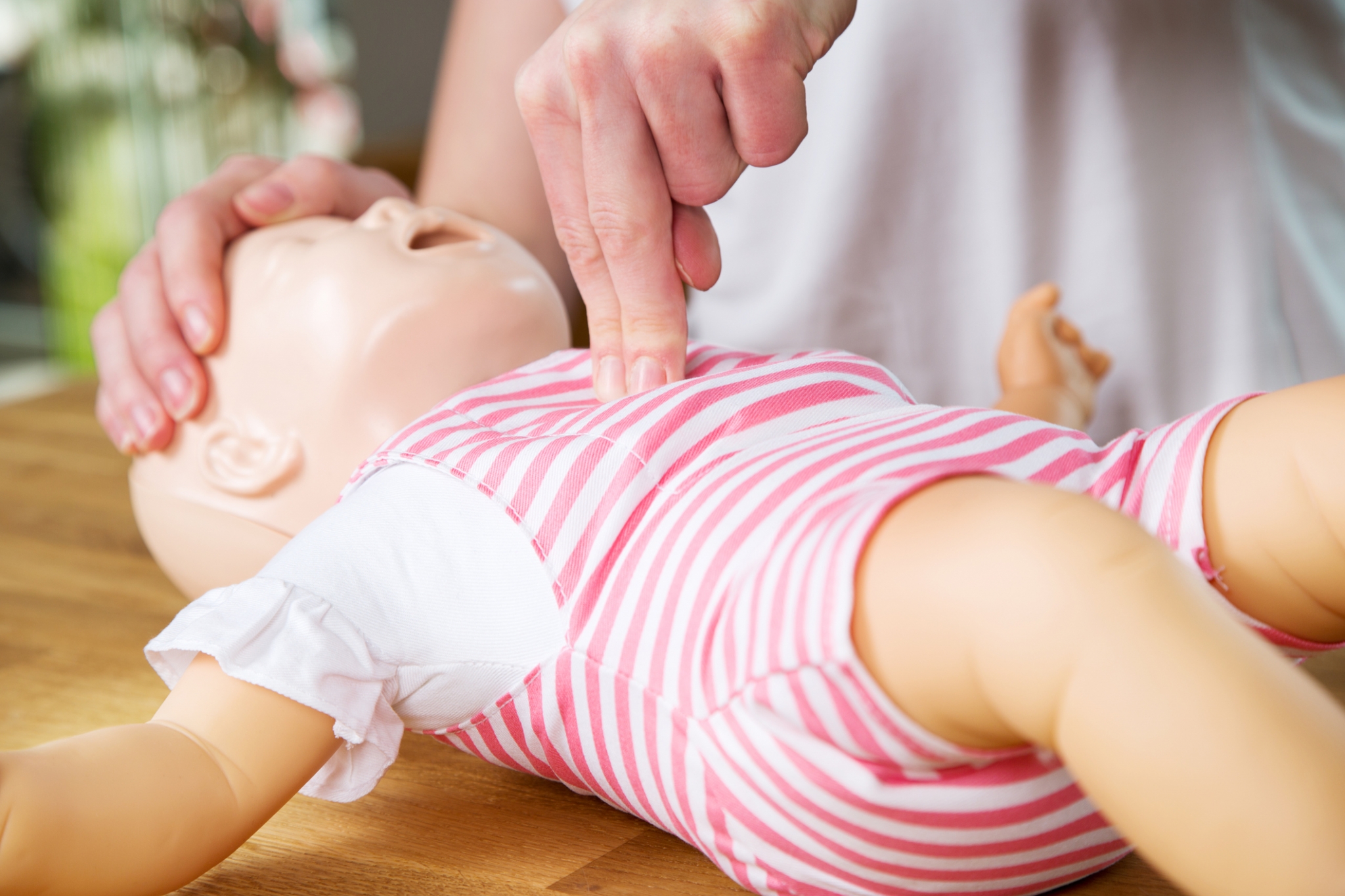
These indicators highlight the importance of organized intervention from the very first moments of birth to reduce neonatal mortality. Experts consider training maternity and related staff to be one of the most cost-effective health interventions. Implementing a national training strategy in neonatal resuscitation is considered a cornerstone for reducing neonatal mortality and long-term disabilities by 10%.
In light of this, and after years of preparation, the association launched a national neonatal resuscitation project under the supervision of a national committee chaired by the Director General of the Ministry of Public Health. The initiative involved private hospital associations, scientific societies for pediatrics, obstetrics and nursing, the National Network for Neonatal and Newborn Care, the World Health Organization, and UNICEF. The association served as coordinator and was responsible for developing and implementing the project plans.
The program was launched with technical support from The Church of Jesus Christ of Latter-day Saints, which provided expert trainers and the required training materials.
A continuing education center was established at Rafik Hariri University Hospital in Beirut, and eight hospitals (seven public and one private) were accredited as training centers.
A national team of 26 trainers from multiple disciplines was trained by experts from the United States, followed by a second training course on international guideline updates.
A comprehensive national census of staff to be trained was conducted, expanded to include midwives working outside hospitals. Surveys were also carried out for university midwifery and nursing colleges, vocational nursing institutes, and training staff responsible for integrating the subject into academic and practical curricula.
The program adopted internationally recognized curricula, manuals and training methods. Hospitals received manuals in two languages, along with a practical application plan and executive summaries for participants.
A manual for training midwives and hospitals lacking specialized intensive care units was published by the American Academy of Pediatrics. It was translated into French, and midwives working outside hospitals were trained accordingly.
The Ministry of Public Health approved transforming the project into an ongoing national program. Training began using the sixth edition of the trainer and trainee guides.
Training is offered free of charge, with all resources provided. Costs are funded through collaboration with the World Health Organization and the Ministry of Public Health.
A total of 66 training courses were implemented across the eight centers, covering all Lebanese regions and involving hospitals, maternity wards, midwives delivering outside hospitals, and teaching staff in medical, nursing and midwifery faculties. The total number of trainees reached 1,867, distributed fairly across all regions.